
Reservations
Reservations
Home
/
Journal
/
Heli fishing in Alaska: The most thrilling way to cast for world-class catches
Alaska
Lodges
Summer
Heli fishing in Alaska: The most thrilling way to cast for world-class catches
February 18, 2026
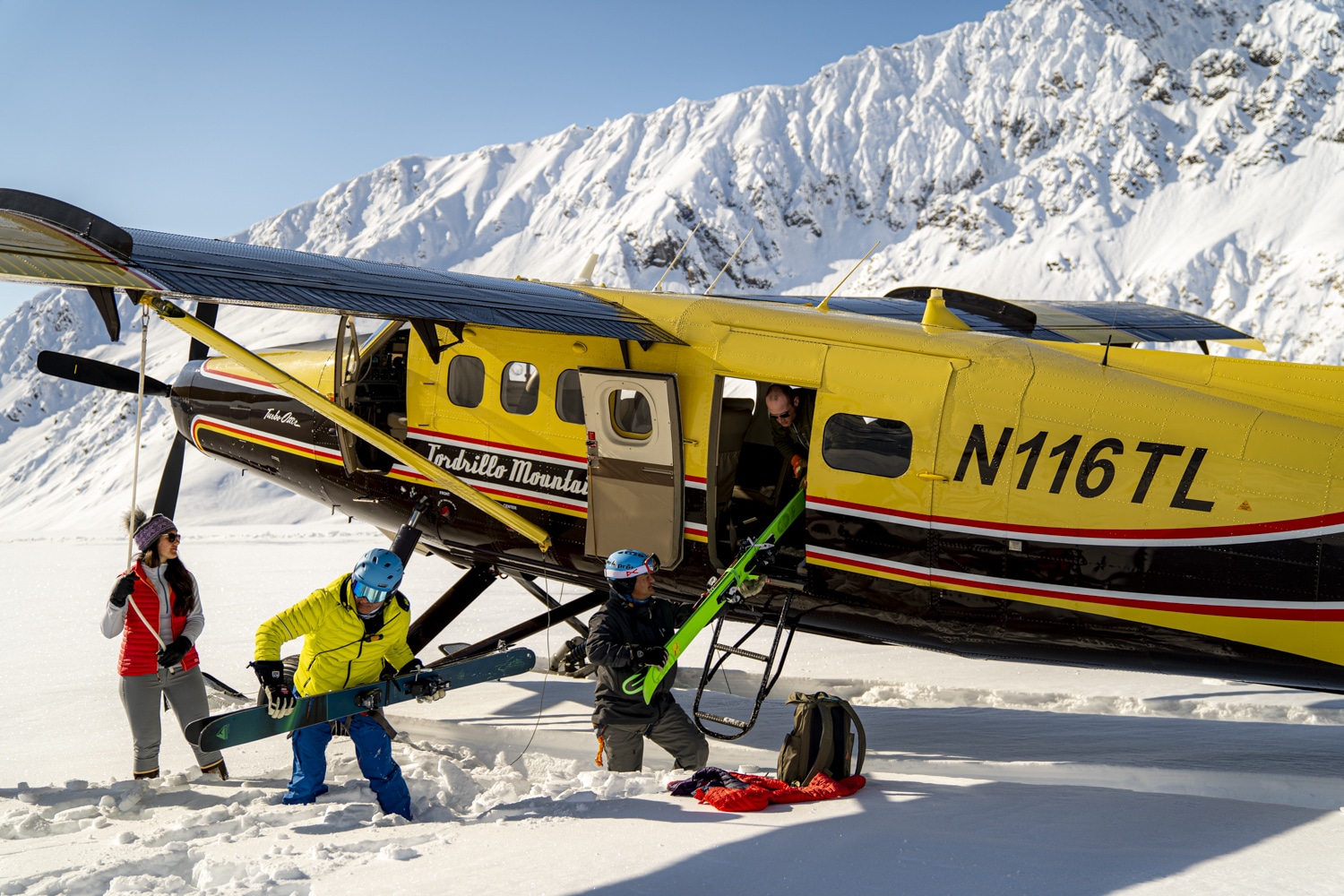
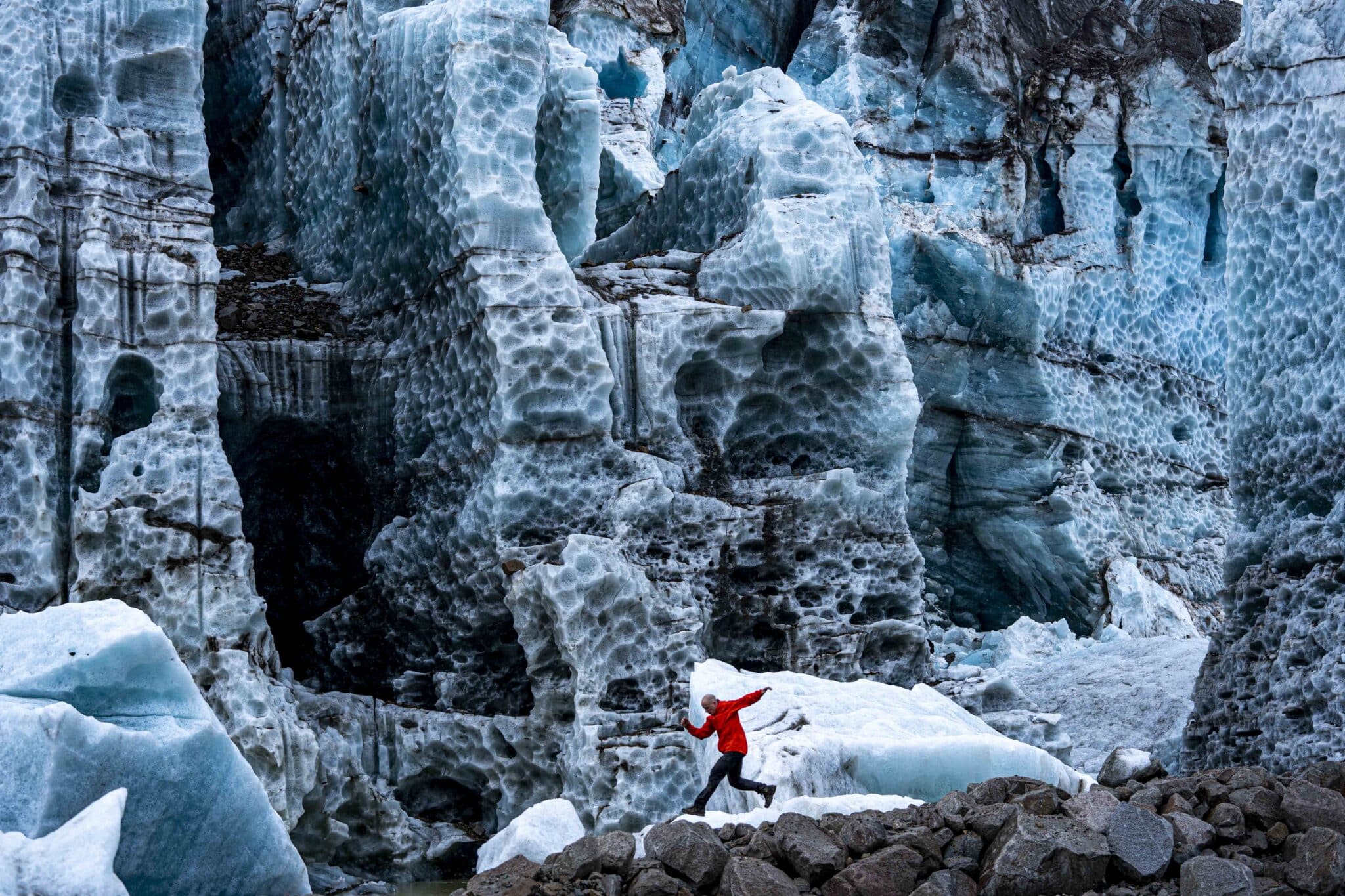
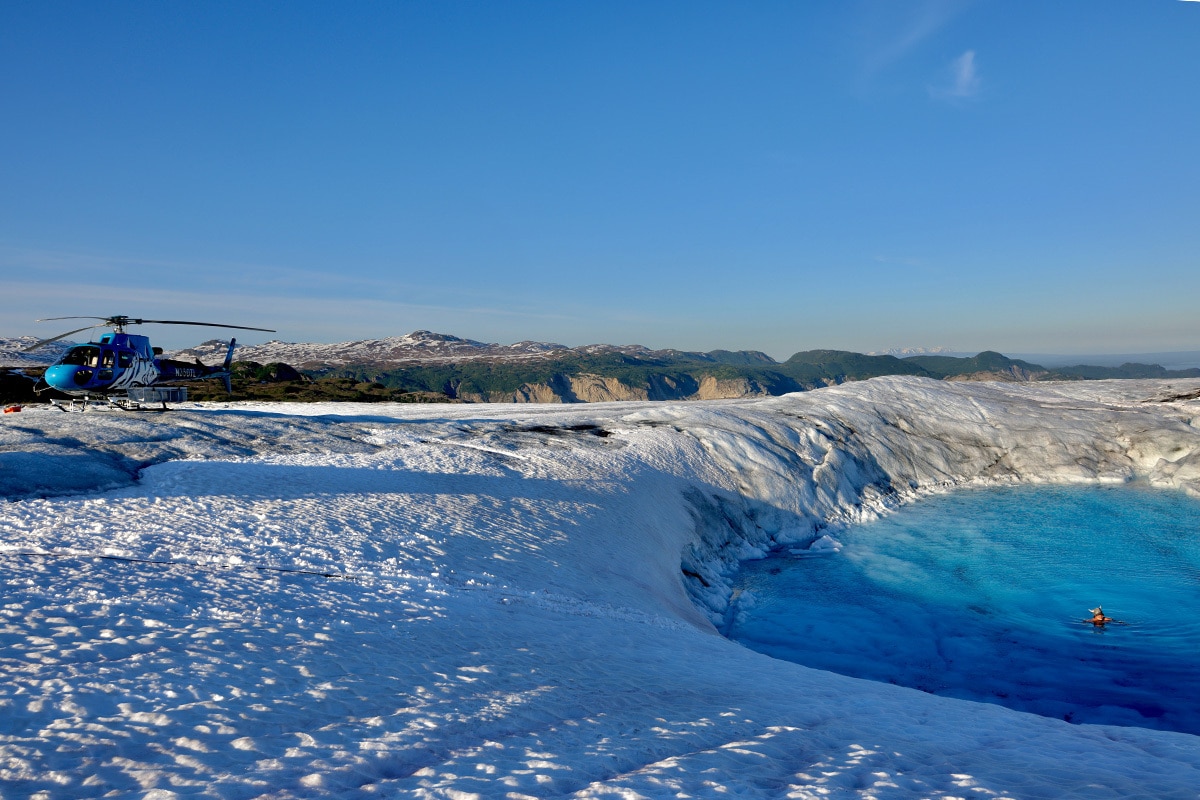
Imagine lifting off over glassy Judd Lake, skimming past blue ice and rugged ridgelines, and setting down beside a river that has not seen a boot print all week. That is the promise of heli fishing near Tordrillo, where AStar B3 helicopters unlock untouched water and long, quiet drifts. It is wild, yes, but it is also dialed in with expert guides, gourmet comforts, and a relaxed lodge scene that turns a great day on the water into an unforgettable week.
If you are planning for late spring or early summer, this is your window. The rivers around the Tordrillo Range come alive under long daylight, and days stretch comfortably from lift-off to last cast with time to savor it all back at the lodge. Whether you are chasing your first Alaska salmon or refining spey swings for trout tucked along glacial seams, you will find the mix of precision, access, and ease that makes heli fishing feel both exclusive and incredibly welcoming.
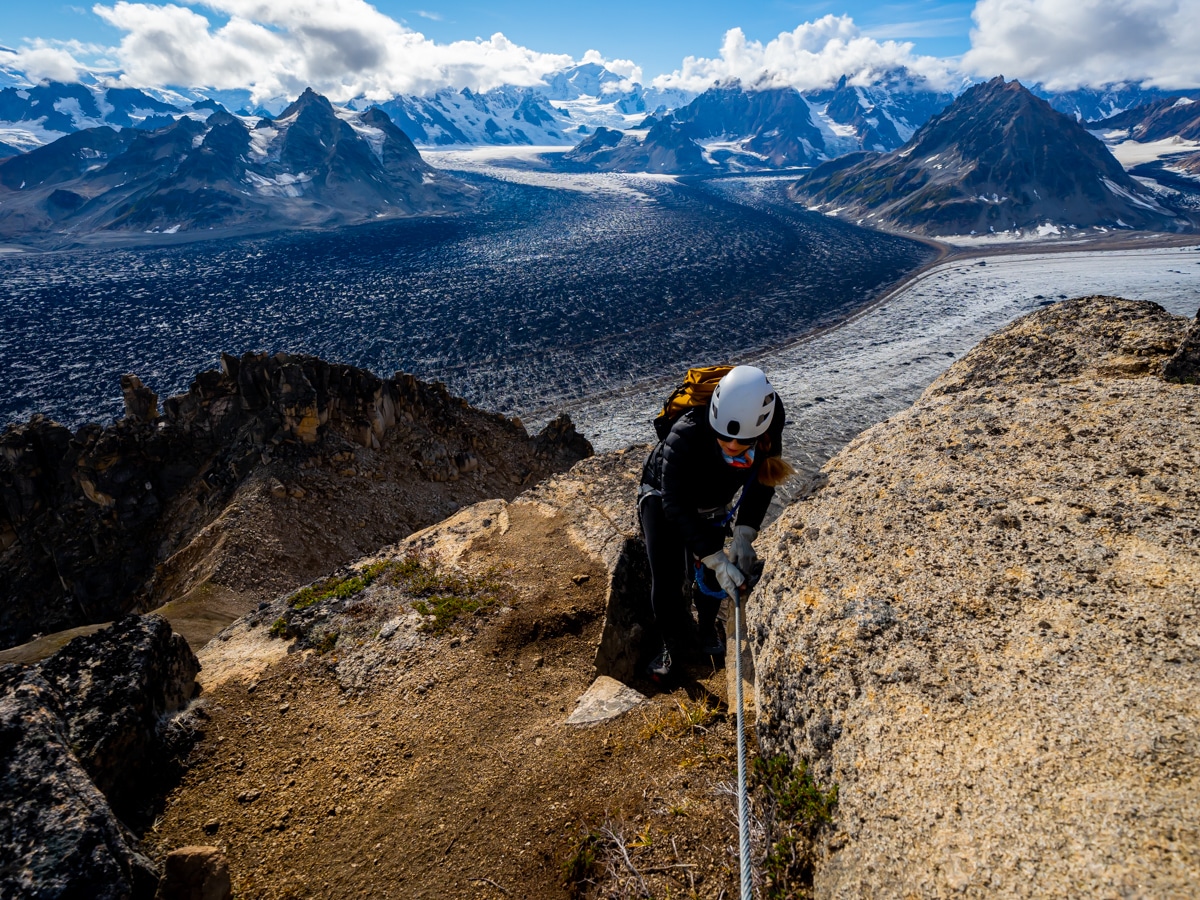
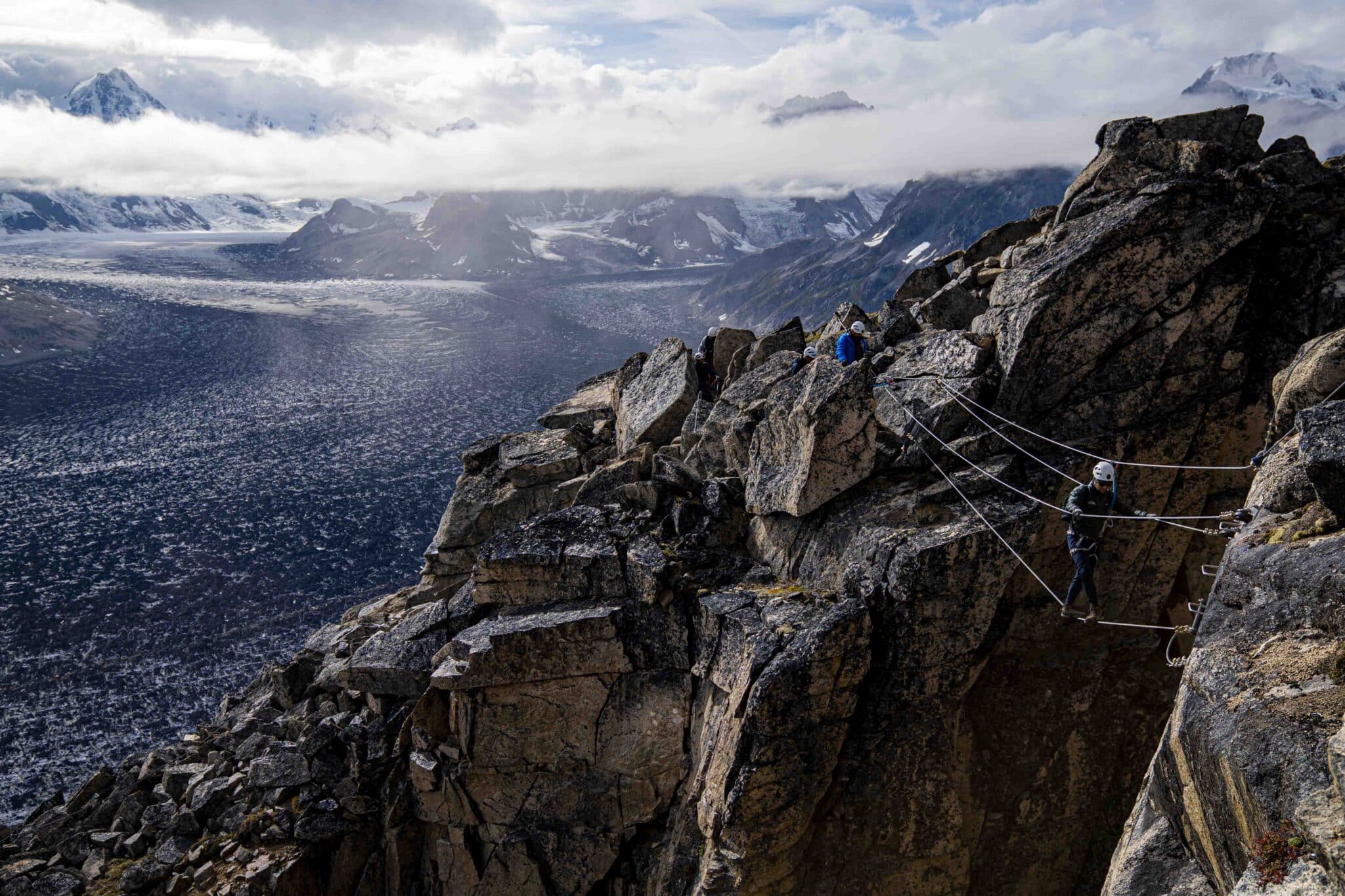
Below, take a guided walk-through of a day on the water, what is provided versus what to pack, and how to round out your trip with added adventures like Via Ferrata climbing, eFoil lessons, and scenic boat rides.
What sets heli fishing apart
Traditional guided fishing typically means beating the dawn rush to boat ramps or hiking into known beats. Heli fishing removes those bottlenecks. With on-site Eurocopter AS350-B3 access, guides can scan conditions, choose from a network of remote rivers and lakes, and place you where timing and clarity line up.
This difference shows up in three ways:
Precision access to remote, lightly pressured water that boats and roads cannot reach.
Flexible daily plans that respond to water levels, clarity, and fish movement in real time.
More time with a fly or lure in the water, less time in transit, thanks to short scenic flights and quick landings.
The result is not just more shots at strong fish. It is the feeling of stepping into a private stretch of Alaska where your guide knows the exact seam, the swing speed, and how to read big-country light through the day.
For a deeper look at what this style of angling week includes, explore the lodge’s overview of helicopter-supported fishing trips in Alaska. You can learn more about heli fishing options and day flow on the
fishing trips Alaska page at Tordrillo Mountain Lodge
.
Your day, from lift-off to last cast
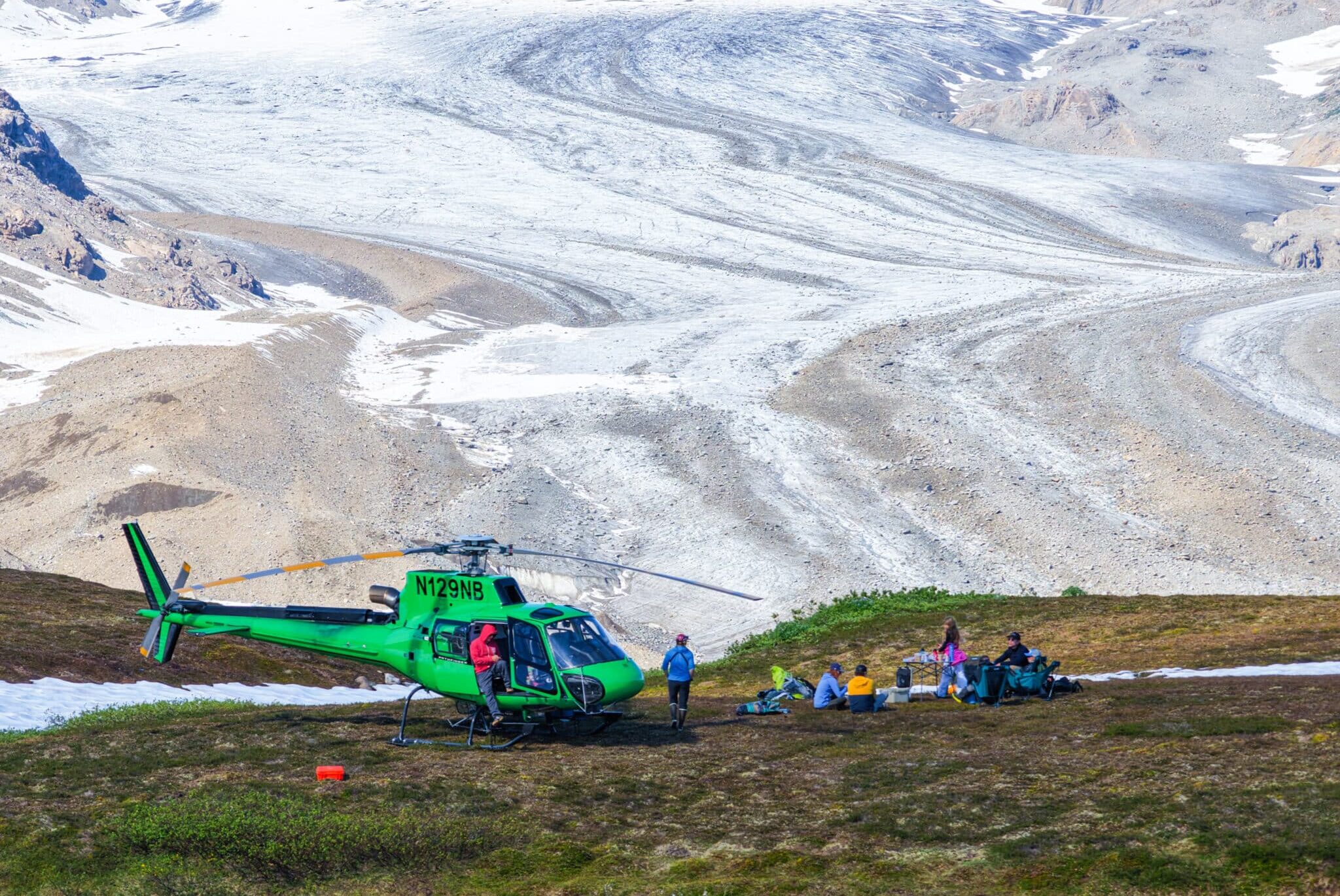
Mornings start with coffee and a relaxed briefing. Guides review target species, river options, and the forecast. You pull waders and boots, shoulder a light pack, and step to the helicopter pad. Flights are scenic and short, often skimming across glacial valleys before touching down on gravel bars.
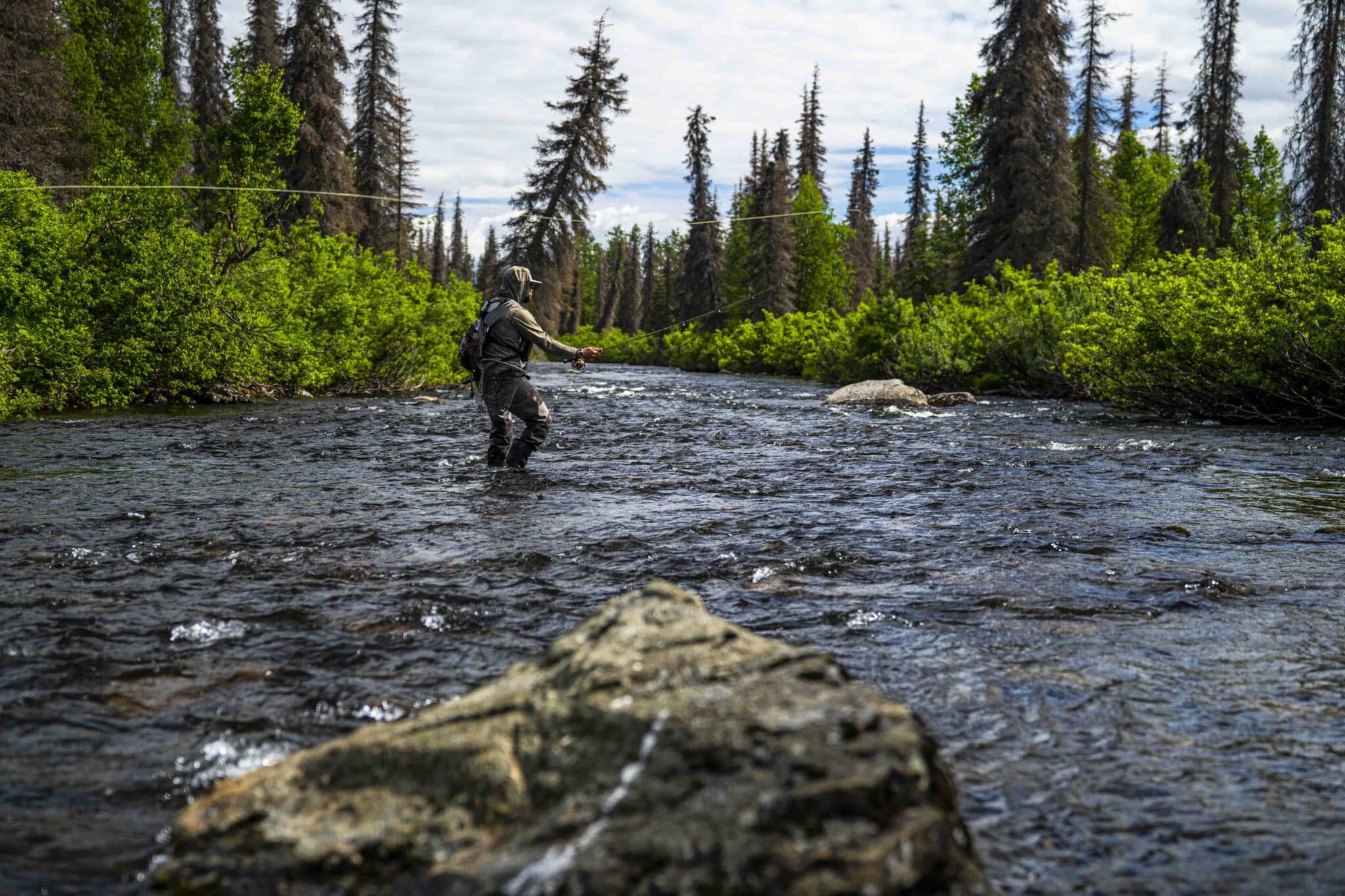
On the river, the first hour is all about rhythm. Expect a quick tune-up on casting angles, mends, and swing control that suit Alaskan flows. Guides spread anglers into promising lanes and rotate runs through the day, adjusting technique as light changes and fish move.
Lunch is simple and satisfying on the bank. Afternoon sessions stretch later than you might expect thanks to generous daylight, and it is common to try one or two distinct river systems before flying home as the alpenglow sets.
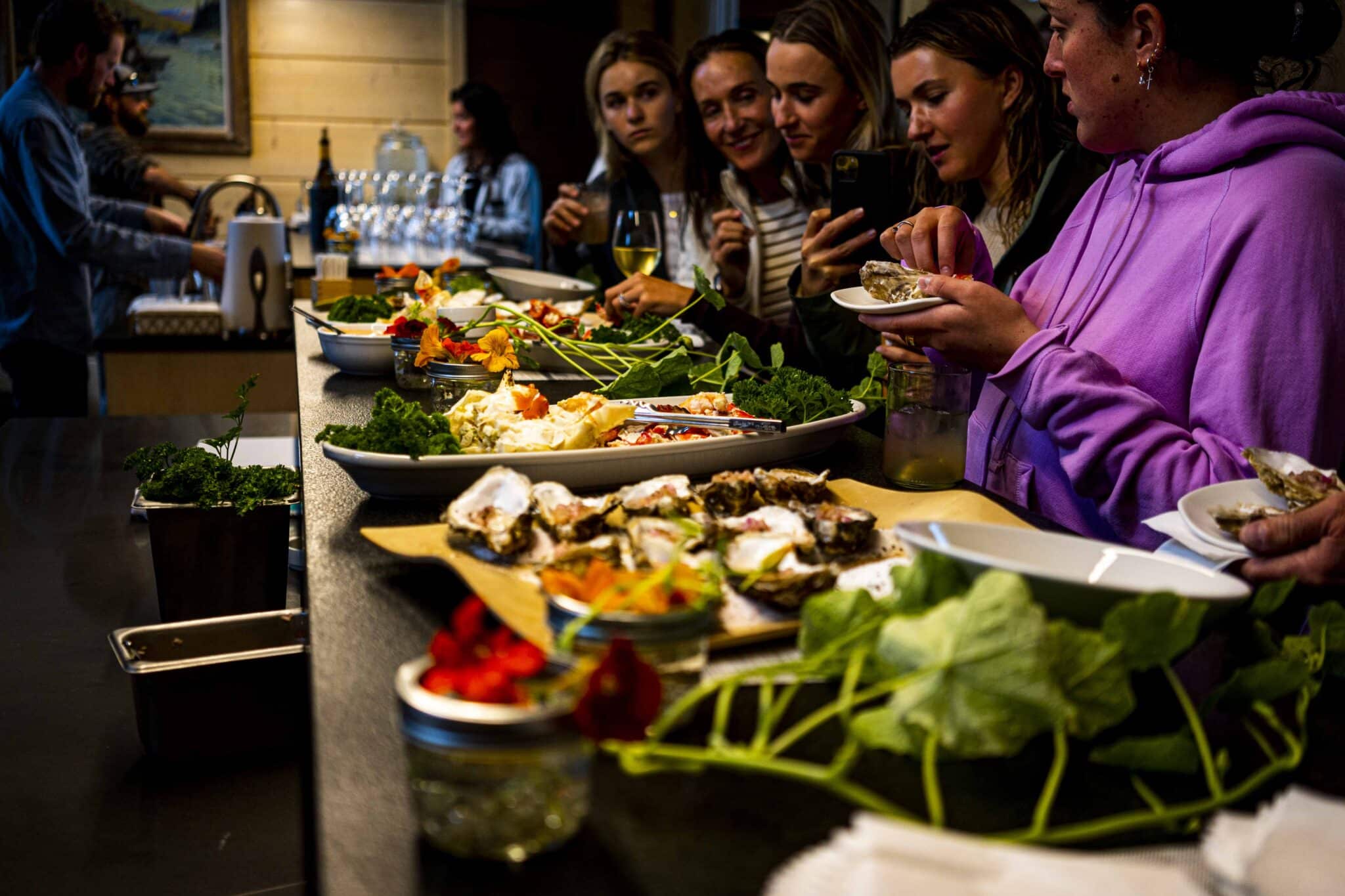
Back at the lodge, waders come off, and the recovery begins. A soak in the lakeside hot tub, a cedar sauna session, or a massage eases casting shoulders. Dinner is a multi-course highlight with regional seafood and game, thoughtful wine pairings, and the sort of conversation that only happens after a shared, big-day adventure.
Peak fishing near Tordrillo
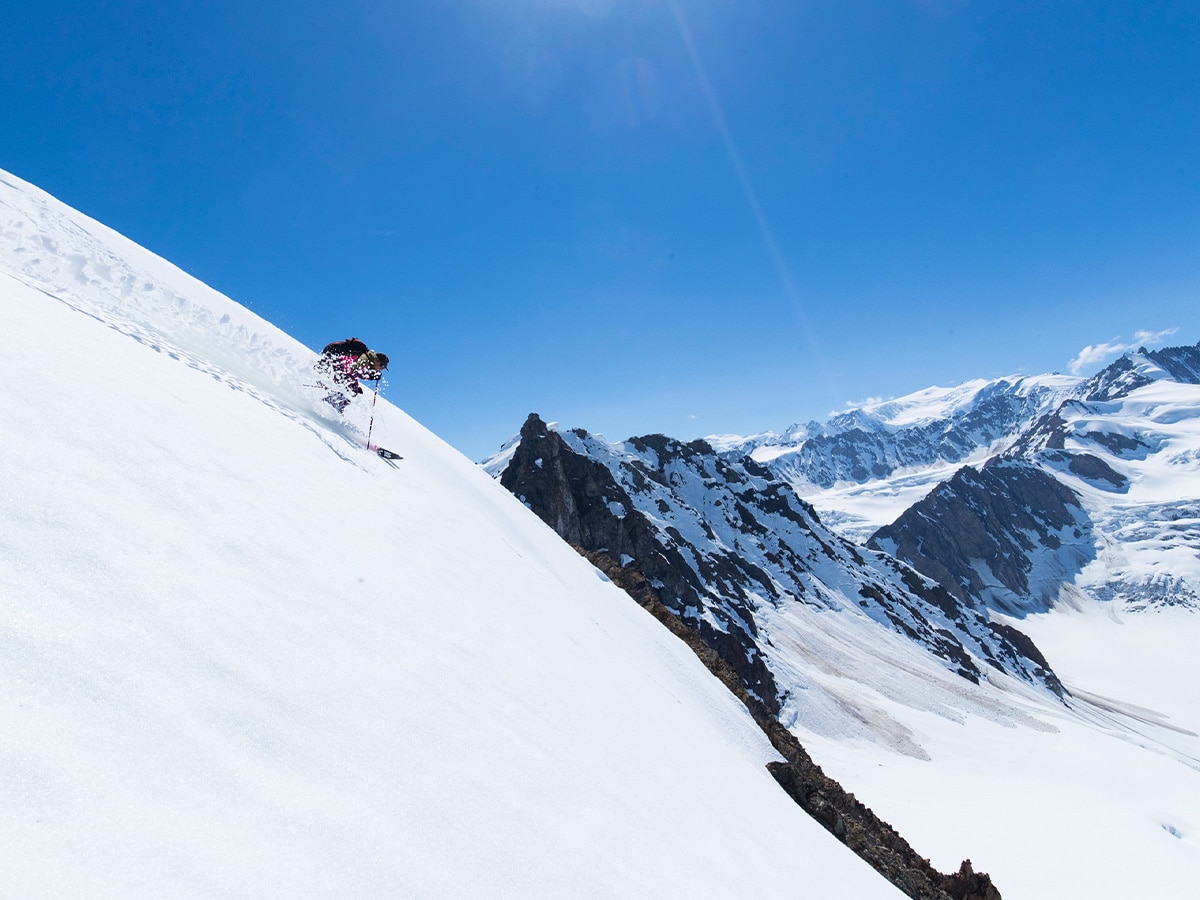
Heli fishing around Tordrillo shines from June into July, when rivers open up and daylight lingers. June often aligns with the Kings & Corn program, pairing morning corn-snow heli laps with afternoon king salmon sessions for a unique cast-and-carve experience. July typically brings comfortable flows, consistent visibility, and options for varied species. Exact timing can vary with snowpack and weather, so it is wise to reach out early to match your dates to prime windows.
Gear and instruction: what is included and what to bring
Guides supply high-quality tackle and the local know-how to put it to use. Rods, reels, lines, leaders, and terminal tackle are organized by species and technique, from single-hand drift setups to spey rigs for longer swings. Waders and boots are available, and your guide carries river essentials like nets, hemostats, snips, and a bank-side repair kit.
You should bring:
Personal layers: breathable base layers, warm mid-layers, waterproof shell.
Sun and weather armor: hat, polarized sunglasses, light gloves, buff, sunscreen.
Small personal kit: phone or camera, spare socks, any preferred snacks.
Instruction is hands-on and tailored. If you are new to spey or mending in fast water, expect quick progressions to help you feel the load, set the angle, and manage drift. Experienced anglers get fine-tuning on swing speed, depth control, and reading glacial color shifts. Safety briefings and helicopter protocols are standard before each lift.
Responsible practices on remote water
Fishing remote systems is a privilege. Guides manage pressure by rotating beats and choosing windows that allow fish to move and rest. Catch-and-release is common, with careful handling, barbless hooks where appropriate, and quick revivals in current. On gravel bars and riverbanks, leave-no-trace practices keep these places feeling wild for the next flight in.